Day 1 Terracotta Warriors & City-Wall
Highlights: After breakfast, our local xian tour guide will pick you up from the hotel or airport to start trip .We will visit the Terracotta Warriors Museum, and City-Wall.
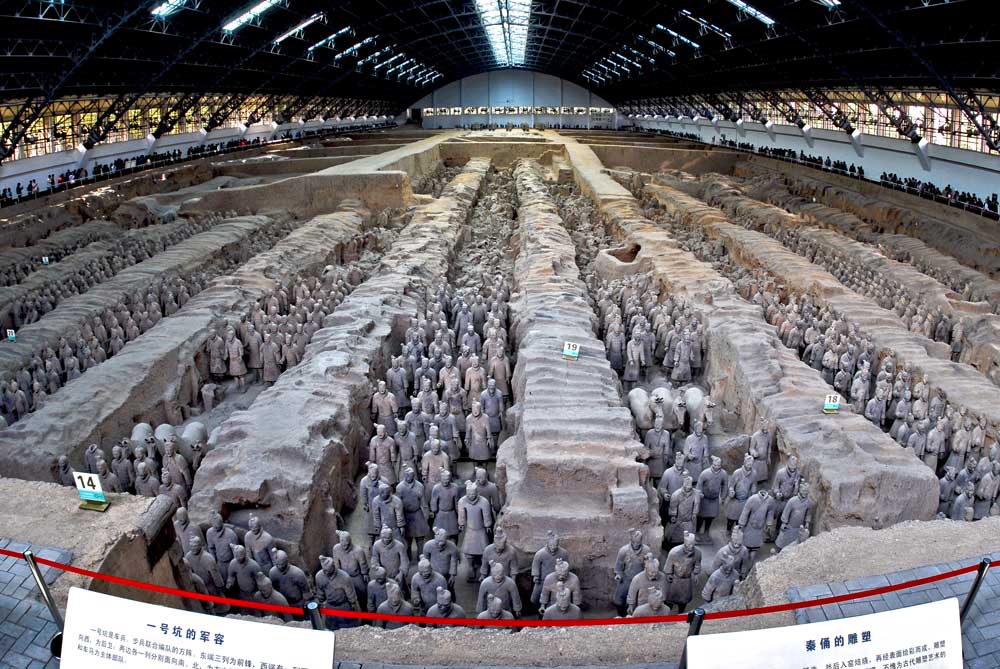
Terracotta Warriors: which is about 40 kilometres away from the downtown area of the xian city, at east side outskirts of the city, discovered accidentally in 1974,by local farmers who digging the well.this incredible army contain more than 8000 soldiers, archers, horses and chariots who are going to guard emperor Qin's tomb in full battle formation since 210BC。Each figure is unique,even today the excavation still continue in 3 pits which are protected by huge arch-shape hangar.
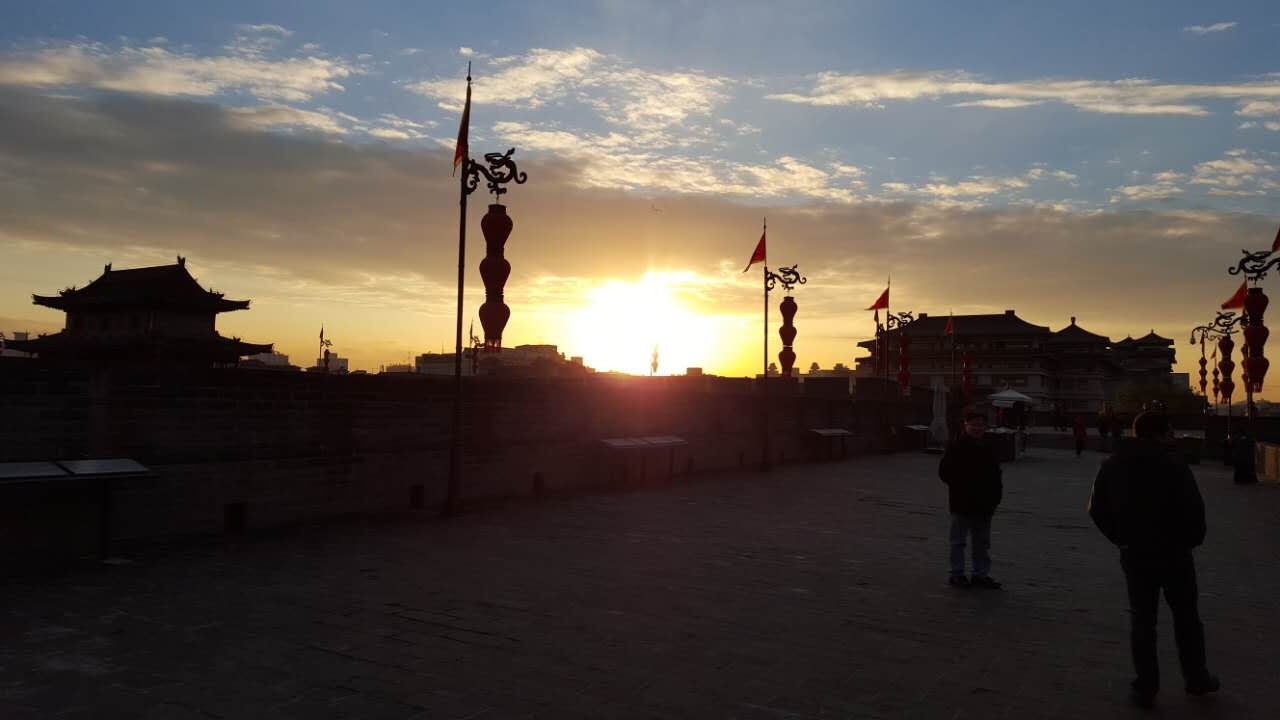
City-Wall: which is famous landmark symbolic architecture military facility.that perfectly well preserved in china, Its original motive is to fortify the city.there is moat still there encircling the entire city-wall, and Its perimeter can reach to 14 KM ! Today , the tourist not only can walk round on the top of the wall, but also can be biking on the wall. some section of the wall also provide the tourists Rickshaw service (depend on the climates).
Day 2 The Qianling Mausoleum & Han Yang Tomb
Highlights: At breakfast,our local xian tour guide will pick you up from the hotel, we will visit The Qianling Mausoleum And Han yang tomb.
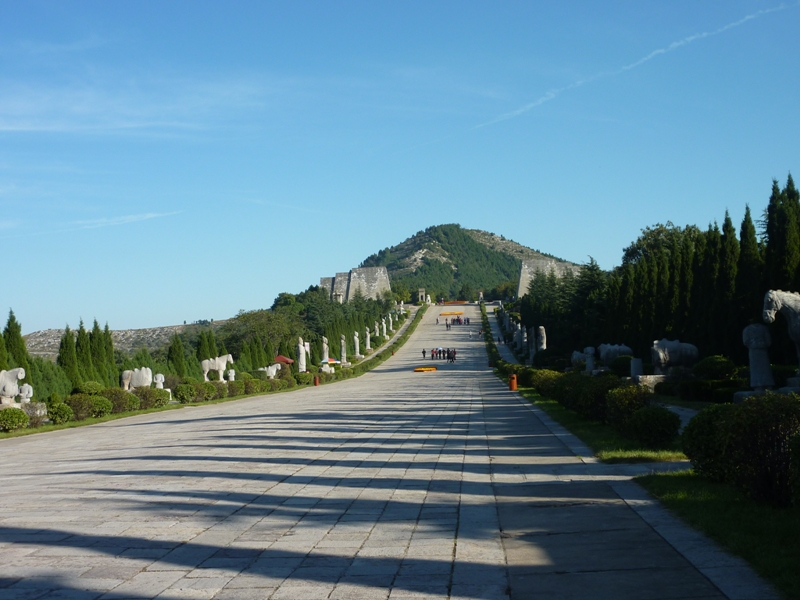
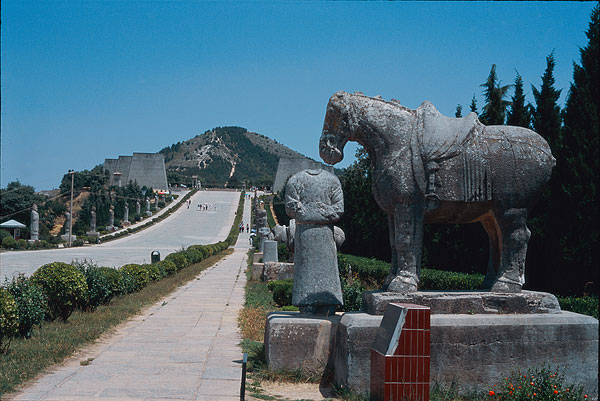
Qianling Mausoleum: which is a joint tomb, the The emperor Gao-Zong( the emperor posthumous title) and his wife,empress,Wu-Ze-Tian jointly buried there that occupies a prominent site on the summit of Liangshan Mountain , 80 kilometers (50 miles) northwest of the Tang capital, Chang'an (today's Xi'an). The design of the tomb site replicates the city of Chang'an and in accordance with tradition is on a north-south axis. The southern approach is set between two smaller hills and the way to the Emperor's tomb is lined with stone animals as well as human figures. These include horses and ostriches, winged horses and a pair of stone lions. In all there are 124 stone sculptures and these are reminders of the fact that the Tang was very much involved with trade and diplomatic exchange with the world far beyond China's borders as there are distinct Western Asian and Greek influences in these sculptures.
The tomb is very strong and secure construction and is notable .In total the mausoleum site covered an area of 2.3 square meters (0.88 square kilometers) and within this area stood 378 buildings that included the Sacrifice Hall, a Pavilion, a Hall of Ministers and numerous corridors. Unfortunately, the above ground structures have not survived unlike the stone sculptures that still delight visitors.
Two ornamented octagonal columns mark the south entrance and the mythical winged horses are the first of the sculptures. The pair of ostriches was a gift from Afghanistan; of the five pairs of horses that are next along the route only three still have their attendant grooms. Ten pairs of military figures bearing swords stand guard along the path. Further life-sized sculptures of men represent the sixty one foreign emissaries that attended the Emperor's funeral and were created on the instructions of Empress Wu Zetian, who wanted a permanent reminder of their visit. Each figure is depicted in a long robe with a wide belt and wearing boots. The name of each individual and the country he represented is carved on the back of the statue. It is not known how or why but regrettably each statue has been decapitated at some time in the distant past. The Qijie Bei (Tablet of Seven Elements), so called because it symbolizes the Sun, Moon, Metal, Wood, Water, Earth and Fire, carries an inscription composed by the Empress Wu Zetian that describes the achievements of her late husband. The calligraphy is that of Emperor Zhongzong whom the Empress deposed but later returned to the throne following her own eventual retirement from office. An unusual feature is the Blank Tablet that has carved dragons and oysters upon it but no inscription, there is nothing like this at any other royal tomb site. It is thought that this tablet was erected upon the orders of the Empress and that it would eventually bear a description of her achievements, to be recorded by some future generation. Maybe she thought that in this way only her good deeds would be remembered and recorded for posterity! Besides,we still can visit the other two-buried site, which is completely excavated, you can come down to the interior tomb to visit , there is a lot of artefacts flanked on both two side of the sloping passageway.
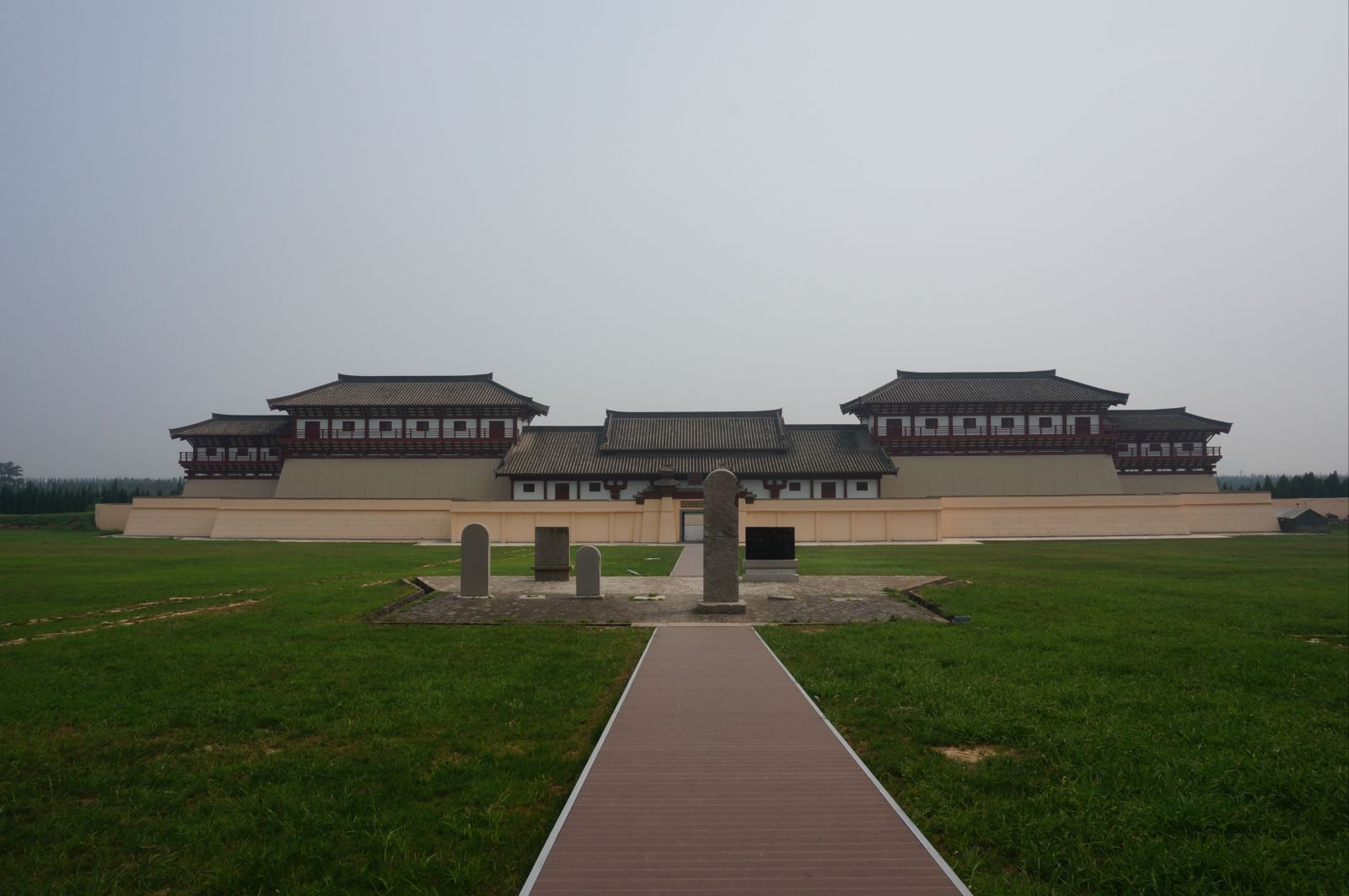
Han Yang Tomb: which is from Han Dynasty still incredible enough to impress you deeply, with one third size figure,honored as the small terracotta warriors.The museum is built at 2003, at close proximity of the airport. it is only one underground-museum in china, the tourists can stand on the top of the nice-transparency and good quality glass to appreciate the artefacts semi-underground. this is a highly recommend attraction, you can understand the Han Dynasty history,culture,etiquette fully from this museum. and then we send you back to either airport or hotel to end a pleasant day.
Service ends
Remark :
In order to save your budget, XianTourExpert.com offers driver-guide service, (the driver used to be the qualified tour-guide as well) which means our guide will drive you around and guide for you during the trip, by this way the cost will be reduced a bit, but the tour value is still guaranteed and even more fun. only under 3 people available.